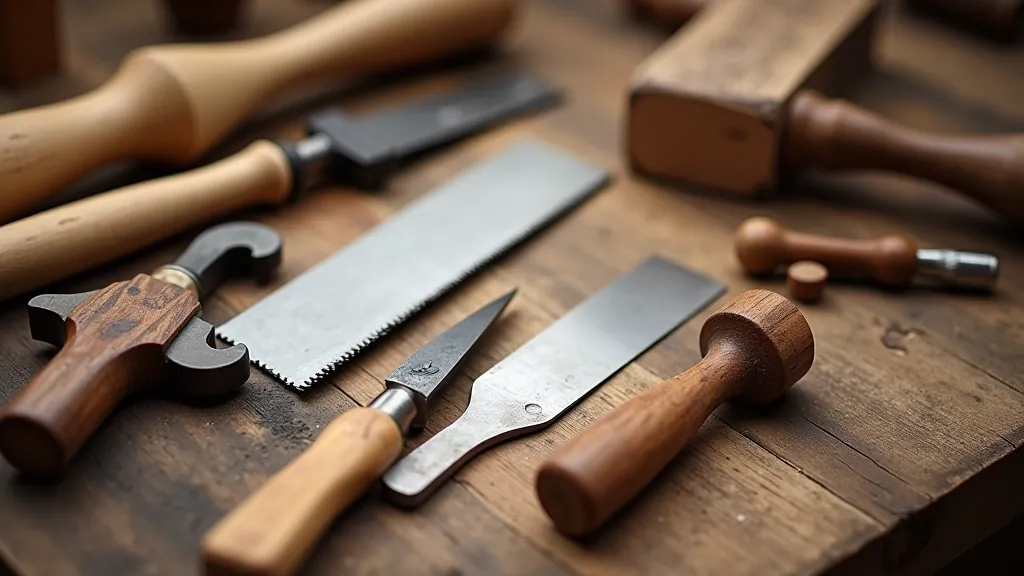
Essential Tools You Actually Need
Don't buy everything at once. Start with five basic hand tools. We'll show you what they are and why you don't need that expensive power drill yet.
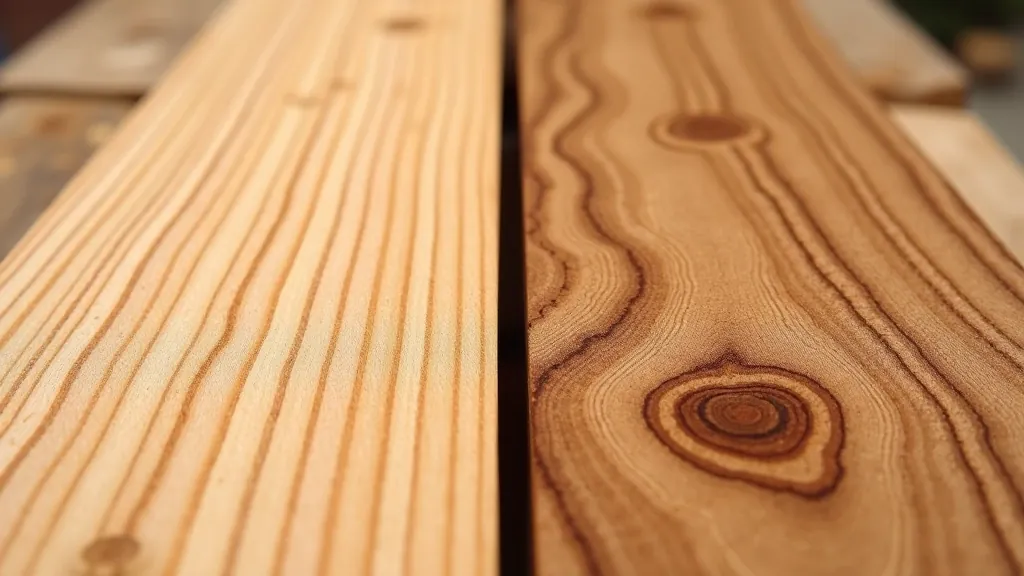
Read ArticlePine and oak work best for beginners. We explain grain patterns, moisture content, and where to buy locally in Daugavpils so you can start building with confidence.
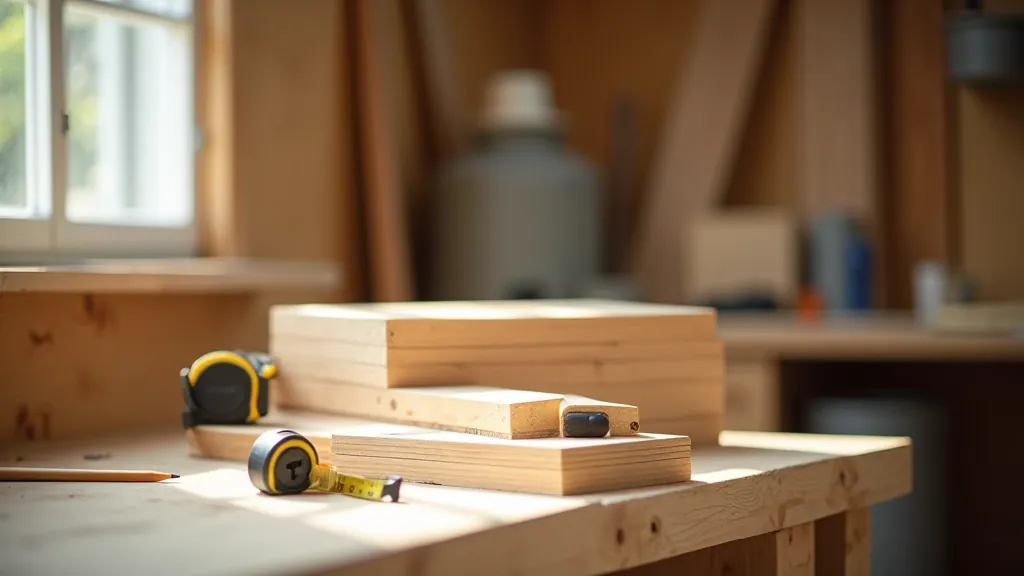
Starting your first woodworking project isn't just about having a good idea. It's about choosing the right material. The wood you select will affect how easy your project is to build, how long it lasts, and honestly, how much you'll enjoy working with it.
Most beginners make the mistake of buying whatever's cheapest or grabbing random boards from the lumber yard. That's a recipe for frustration. We've trained hundreds of hobbyists in Daugavpils, and we've seen what works. The good news? You don't need to become an expert to pick the right wood.
Pine and oak account for 85% of successful first projects. They're forgiving, affordable, and you can find them locally without ordering online.
Here's what you need to know about the two woods we recommend most. Pine is softer, easier to cut, and more forgiving when you make mistakes. Oak is harder and more durable, but requires sharper tools and more patience. Neither is "better"—it depends on your project.
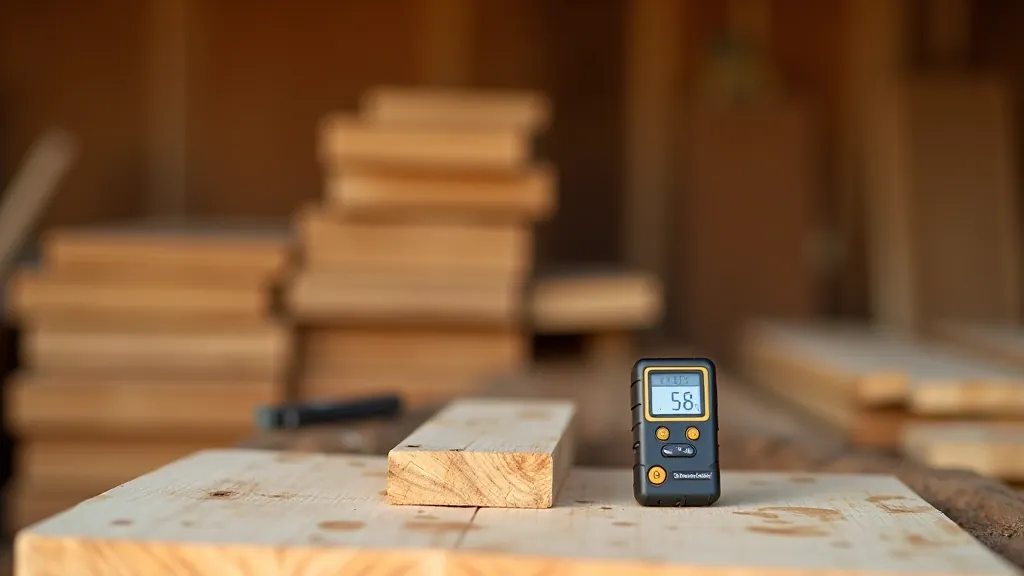
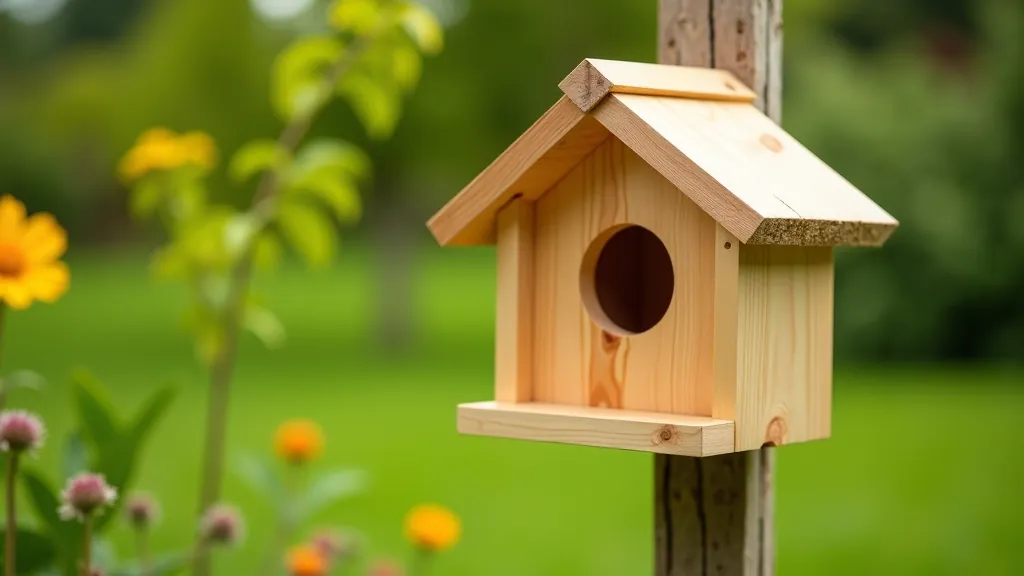
This is where most beginners get tripped up. Wood with too much moisture will warp, crack, and twist as it dries. You'll finish a beautiful birdhouse only to watch it crack down the middle in summer heat. Not fun.
Look for wood with 12-15% moisture content. That's the sweet spot for indoor and outdoor projects. Most lumber yards have a moisture meter—just ask the staff. They'll check it for you in about 30 seconds. If they don't have one, find a different supplier.
"Dry wood is happy wood. Wet wood is trouble waiting to happen."
— Andris Liepiņš
This guide is intended for educational purposes to help you understand wood selection fundamentals. Actual results depend on many factors including climate, storage conditions, tool quality, and individual technique. Always inspect wood before purchase and consult with your local lumber supplier for recommendations specific to your climate and project type.
Walk into the lumber yard with this simple checklist. It'll take 10 minutes and save you headaches later.
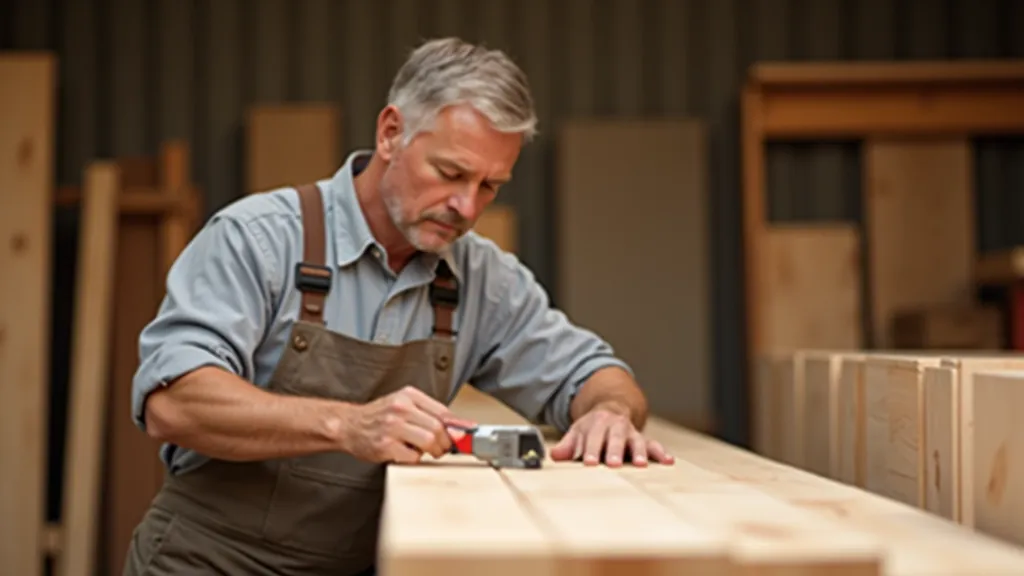
Picking the right wood isn't complicated once you know what to look for. You're looking for two things: dry boards (12-15% moisture) and wood that's straight and relatively knot-free. Pine works beautifully for beginners because it's forgiving. Oak gives you that premium feel when you're ready for something more challenging.
Visit one of the Daugavpils suppliers mentioned above. Bring your project plans. Ask questions. Most staff are woodworkers themselves and they'll help you choose smart. And remember—the wood you pick today will be the foundation of your first finished project. That's worth getting right.
Ready to move forward? Your next step is understanding the tools you'll actually need. We've got that covered too.