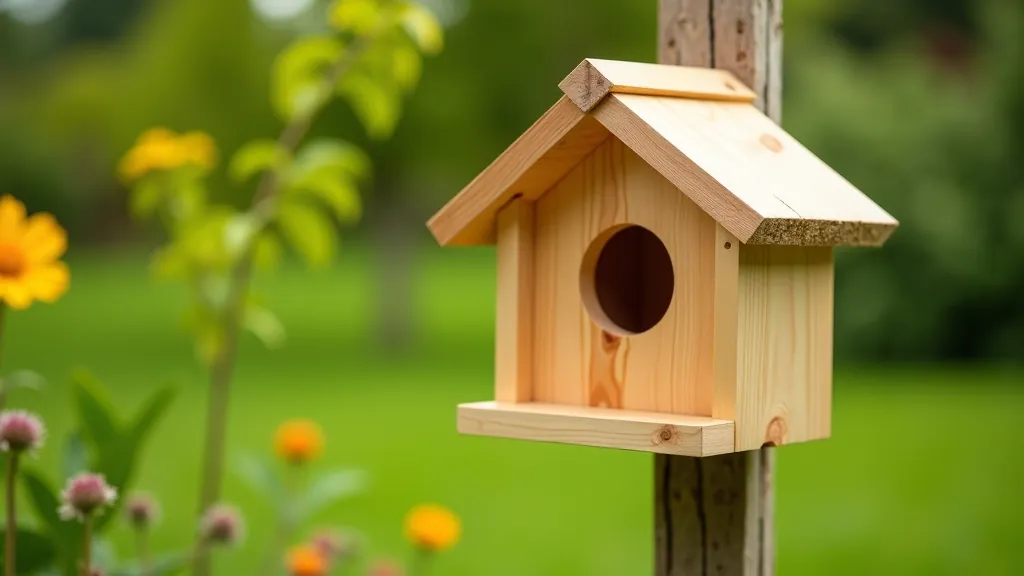
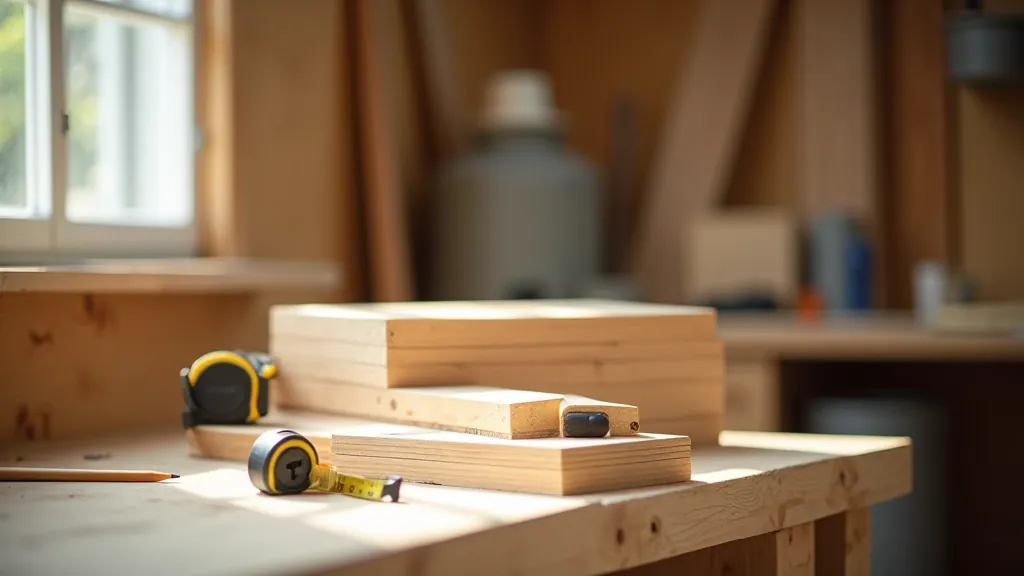
Choosing Wood for Your First Projects
Pine and oak work best for beginners. We explain grain patterns, moisture content, and how to pick the right wood for your first builds.
Read ArticleDon't buy everything at once. Start with five basic hand tools. We'll show you what they are and why each one matters.
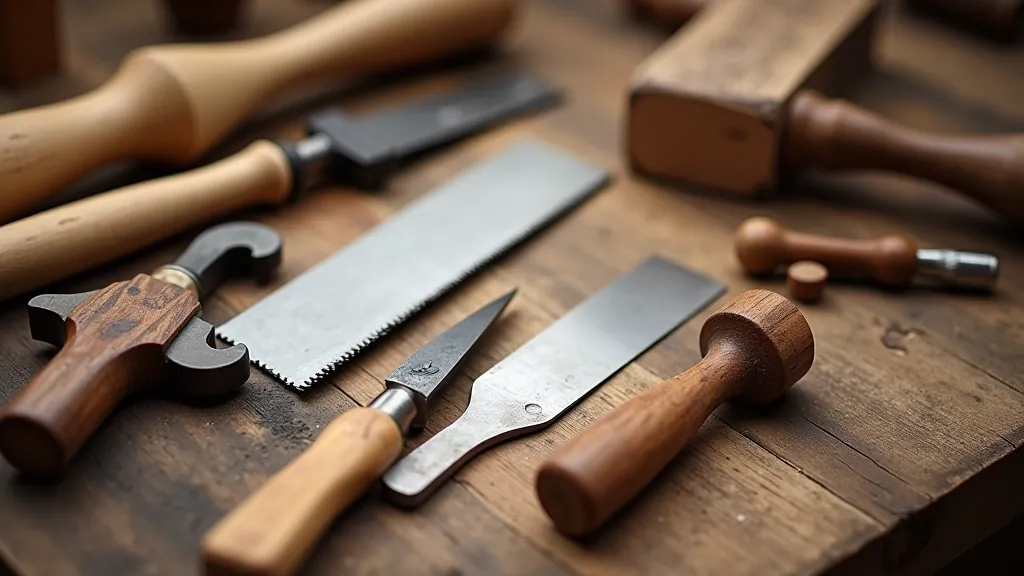
When you're starting out, the tool aisle feels overwhelming. Rows of shiny equipment, endless options, and everyone's got an opinion about what you "need." Here's the truth: you don't need much. We've worked with hundreds of beginners, and they all start the same way — with a handful of reliable tools that do real work.
The five tools we're covering aren't fancy. They're not new innovations or trendy purchases. They're the foundation that every woodworker builds on, whether you're crafting a simple birdhouse or planning a garden bench. Once you've got these down, you'll know what to add next.
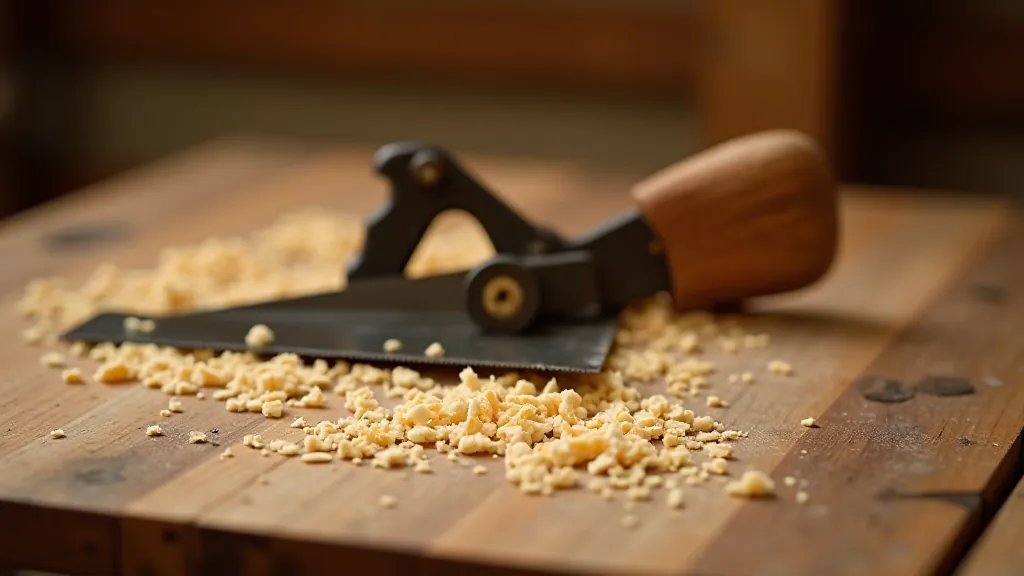
A good hand saw costs between 20-40 euros and it's where most people start. You're looking for something with about 10-12 teeth per inch (TPI). That's the sweet spot — fine enough to cut clean, but not so fine that you'll exhaust yourself.
Don't overthink this. A basic tenon saw or crosscut saw does nearly everything a beginner needs. You'll use it to cut boards to length, trim pieces, and get comfortable with the motion. After a few projects, you'll naturally develop a feel for the angle and pressure. That's when the work gets easier.
Pro tip: Keep your blade sharp. A dull saw forces you to push harder, wastes energy, and actually produces worse cuts. A simple file and 10 minutes keeps it working perfectly.
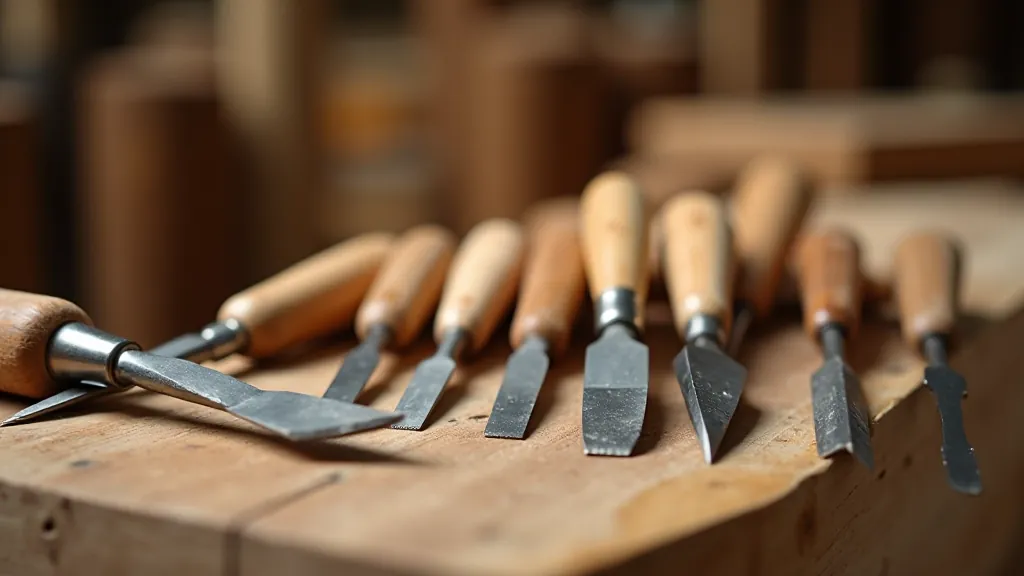
You'll want a set of three chisels to start — typically 6mm, 12mm, and 25mm widths. These handle most tasks in small projects. They're affordable as a set, usually 25-35 euros, and they're genuinely useful from day one.
A chisel isn't just for fancy joinery work. You'll use them to clean up saw cuts, shape edges, and carve out notches. The key is keeping them sharp — a sharp chisel actually requires less force than a dull one, which makes them safer too. We've found that beginners who invest five minutes in learning proper sharpening develop better technique faster.
Chisels teach you something important: control matters more than strength. You'll push with one hand and guide with the other. It's rhythmic, almost meditative, and it's where woodworking stops feeling like brute force.
Safety note: Sharp tools are safer than dull ones. Dull blades slip and cause injuries. Spend time learning proper grip and cutting angles before starting any project. Wear eye protection. If you're unsure about technique, ask someone with experience or watch instructional videos from certified woodworkers.
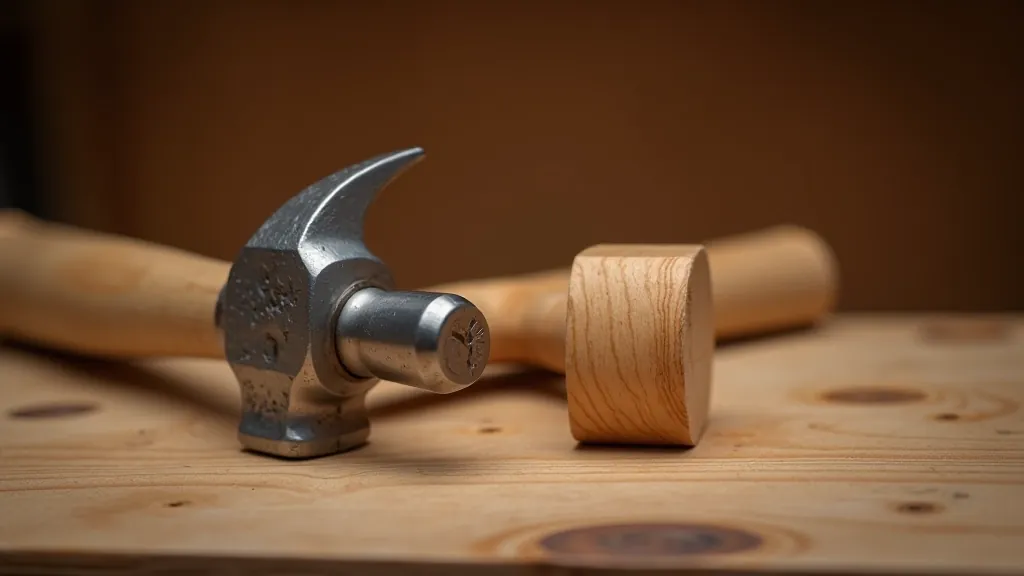
You'll need both. A standard claw hammer (around 450-500g weight) handles nails and general work. A wooden or rubber mallet (lighter, around 400g) is for hitting chisels and driving joints without damage. They're not interchangeable.
Here's where most beginners go wrong: they try to use a hammer for chisel work. You'll bruise your hands and damage your chisel handles. A proper mallet transfers force differently. It's softer impact, designed specifically for wood-on-wood contact. The investment is minimal — about 15-25 euros for decent versions of both.
Grip matters too. Hold a hammer toward the end of the handle, not choked up near the head. Let the weight do the work. You're not trying to muscle nails in. Beginners often discover this feels more natural once they stop gripping so tight.
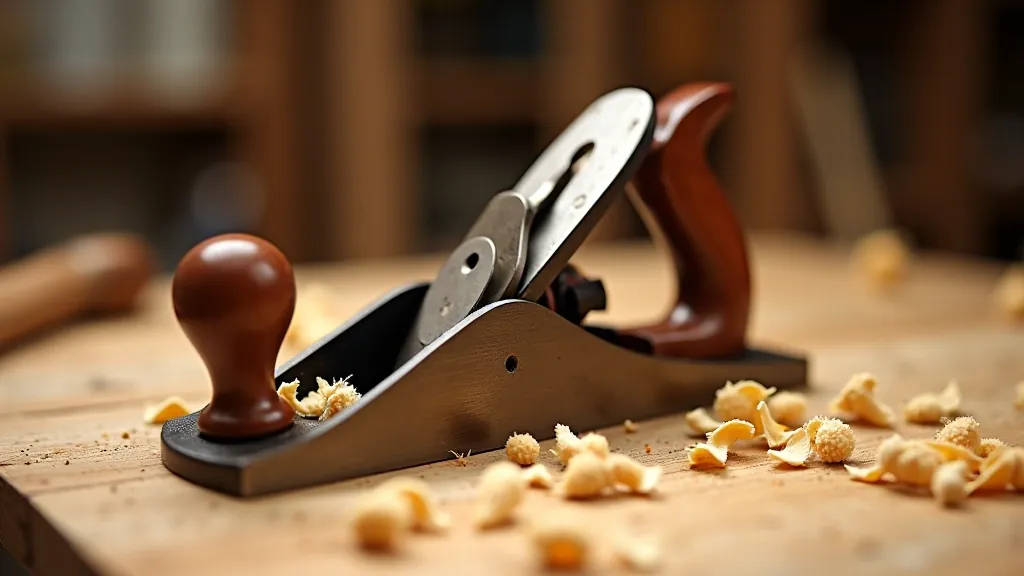
A basic hand plane isn't as intimidating as it looks. A number 4 or number 5 plane (medium size) costs about 35-50 euros and handles most smoothing tasks. You'll use it to flatten surfaces, smooth edges, and adjust pieces that don't quite fit.
The magic happens when the blade is properly set. Too deep and it jams. Too shallow and it barely cuts. There's a sweet spot where you're taking paper-thin shavings and the grain looks polished. Finding that spot takes practice, but it's satisfying once you get it.
A hand plane teaches you to read wood grain. You'll learn which direction to plane, how different species behave, and why grain direction matters. This knowledge transfers to everything else you build. It's not just a tool — it's your first real conversation with the material.
You can't build anything without measuring. A simple 1-meter folding rule, a combination square, and a marking knife are essential. Together they cost about 30-40 euros. Skip the fancy digital tools at first — analog tools teach you to think about dimensions.
The marking knife is underrated. It creates a thin, precise line that's easier to cut to than pencil marks. Pencil lines are fuzzy. Knife lines are definitive. Once you start using one, you won't go back.
"Measure twice, cut once" isn't just advice. It's the difference between a project you're proud of and scrap wood. Measuring is where precision starts.
The combination square does multiple jobs — it checks for square, marks 45-degree angles, and measures depth. It's one tool that justifies its spot on your workbench by doing at least three things well.
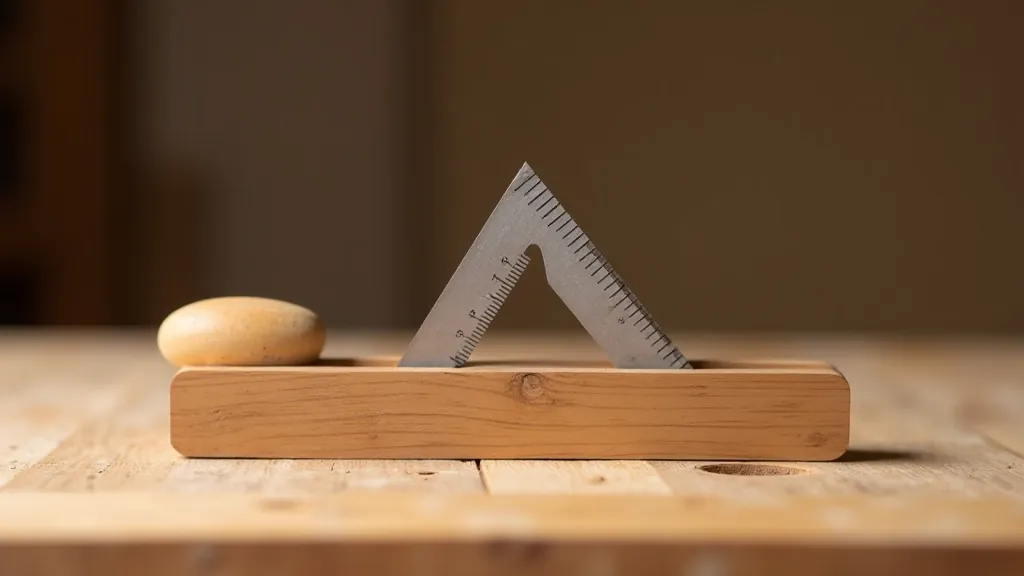
Five tools. Around 150-180 euros total. That's your entry point. You're not investing in a full workshop. You're investing in the fundamentals.
Every expert woodworker you know started here. They didn't buy expensive power tools first. They learned how wood behaves with hand tools. They developed feel and technique. Once you've spent time with these five tools, you'll know exactly what to add next because you'll understand what you actually need.
The real cost of woodworking isn't the tools. It's the time you invest in learning how to use them properly. Get these five. Spend the next month with them. By the end, you'll be building things you're genuinely proud of. That's where it starts.
These tools are perfect for building a simple birdhouse or garden bench. Check out our beginner projects to see what's possible with just these essentials.
View Beginner Projects